

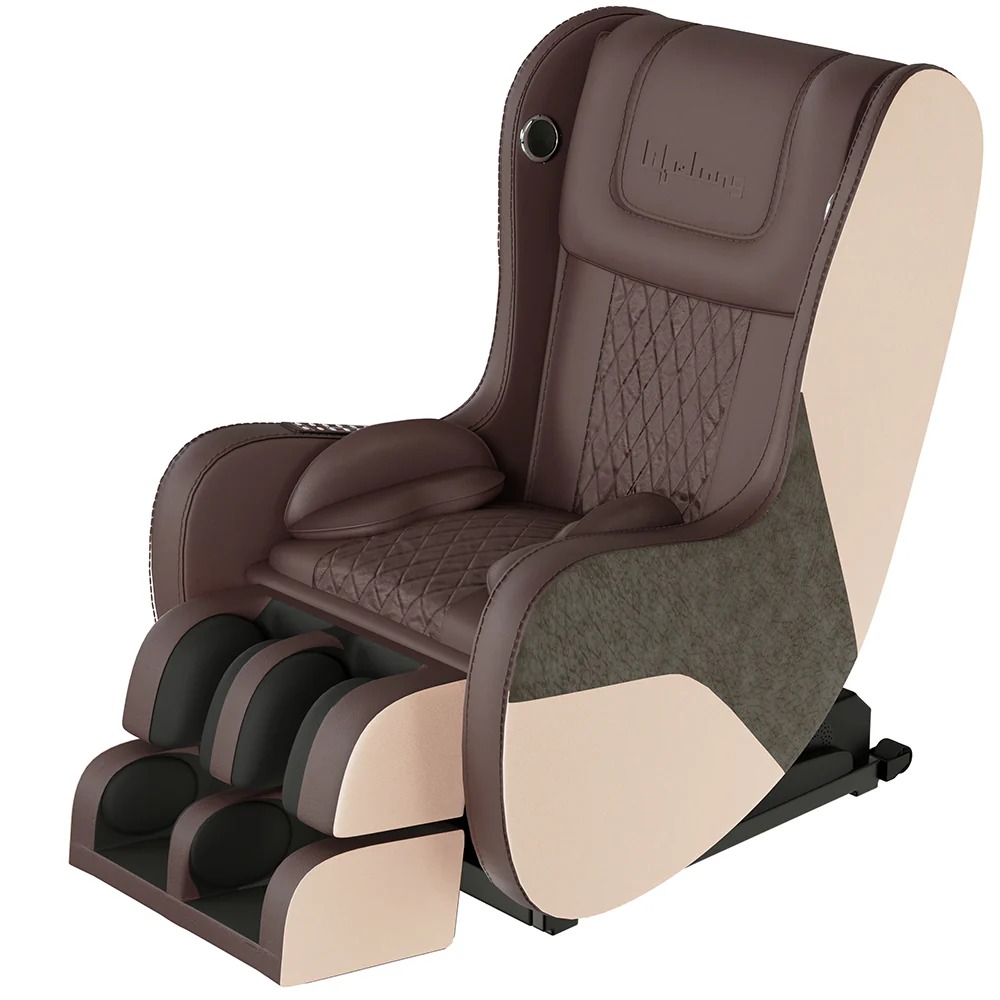
In today’s fast-paced world, stress has become an almost constant companion for many individuals. One of the most common physical manifestations of stress is tightness and discomfort in the shoulder area. This tension can lead to pain, restricted movement, and even headaches, significantly affecting daily life and overall well-being. As people seek effective ways to alleviate these symptoms, massage chairs have emerged as a popular option. But can massage chairs truly help with tight shoulders caused by stress?
Massage chairs are designed to simulate various massage techniques such as kneading, rolling, tapping, and shiatsu. These methods aim to relax muscles, improve blood circulation, and reduce stiffness. When it comes to tight shoulders from stress, the targeted action of a massage chair reviews on this specific area can provide several benefits.
Firstly, one of the primary causes of muscle tightness is prolonged contraction due to stress-induced muscle guarding or tension. Massage chairs work by applying consistent pressure and rhythmic movements that help release this tension in the shoulder muscles. By stimulating muscle fibers and encouraging relaxation at a deeper level than simple stretching or manual rubbing might achieve alone, these devices promote relief from soreness and stiffness.
Secondly, improved blood flow is another critical factor in reducing muscle tightness. Stress often leads to reduced circulation because muscles remain contracted longer than they should be; this limits oxygen delivery and nutrient exchange necessary for tissue repair and relaxation. Massage chairs enhance local circulation through mechanical stimulation which helps flush out metabolic waste products like lactic acid that accumulate during periods of muscular strain or anxiety.
Moreover, using a massage chair regularly may also contribute positively towards mental relaxation-an essential element when dealing with stress-related symptoms. The soothing motions combined with warmth features found in many models create an environment conducive not only to physical but also psychological relief by lowering cortisol levels (the body’s primary stress hormone). This dual effect means users might experience less frequent episodes of shoulder tightness over time if they incorporate sessions into their routine consistently.
However, it is important to note that while massage chairs offer substantial benefits for relieving tense shoulders due to stress-related causes, they are not a cure-all solution. Persistent or severe shoulder pain should always be evaluated by healthcare professionals as it could stem from underlying medical conditions such as rotator cuff injuries or cervical spine issues requiring specialized treatment.
In conclusion, massage chairs can indeed be helpful tools for managing tight shoulders resulting from everyday stress by promoting muscle relaxation and enhancing circulation while providing comfort that supports mental calmness. For those seeking non-invasive ways to ease their discomfort at home or office settings without relying solely on medication or professional massages frequently available at higher costs-investing time in using a quality massage chair may prove worthwhile as part of an overall self-care strategy aimed at reducing both physical tension and emotional strain associated with modern lifestyles.